Green Finance: Investing in a Sustainable Future
Introduction
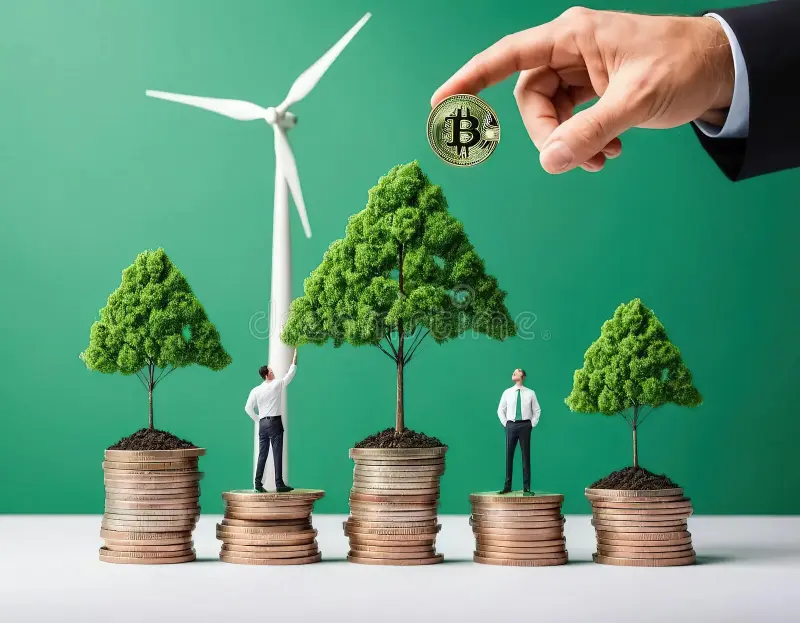
As the global economy faces accelerating climate change, resource depletion, and environmental degradation, the need for sustainable financial systems has never been more urgent. Green finance—the integration of environmental considerations into financial decision-making—has emerged as a powerful tool for driving the transition to a cleaner, low-carbon economy. From renewable energy projects to green bonds and sustainable investment portfolios, green finance is reshaping how capital flows across the world. This shift is not only ethically important but also economically strategic, as climate-related risks increasingly influence asset values, market performance, and long-term financial stability. Green finance is paving the way for an investment landscape that prioritizes both prosperity and planet.
What Is Green Finance?
Green finance refers to financial activities that support environmentally sustainable outcomes. It includes investment strategies, financial products, and policy frameworks aimed at:
- Reducing carbon emissions
- Promoting clean energy and energy efficiency
- Protecting natural ecosystems
- Encouraging sustainable agriculture
- Managing climate-related risks
Green finance overlaps with related concepts like ESG (Environmental, Social, and Governance) investing, impact investing, and sustainable finance, but it specifically focuses on environmental benefits.
In recent years, green finance has moved from a niche concept into a global economic priority, driven by rising environmental awareness, regulatory pressures, and shifting consumer expectations.
Key Drivers Behind the Rise of Green Finance
Several powerful forces have contributed to the growing importance of green finance:
a. Climate Change and Environmental Risks
Increasingly severe weather events, rising sea levels, and resource shortages pose growing financial risks. Investors and governments recognize that ignoring climate risks could lead to catastrophic economic losses.
b. Government Policies and Regulations
Policies such as carbon taxes, emissions trading systems, and clean energy incentives encourage financial institutions to support green projects. Many countries now require climate-related disclosures from major companies.
c. Investor Demand
Individuals and institutional investors are increasingly prioritizing sustainability. Millennials and Gen Z, in particular, prefer investments aligned with their environmental values.
d. Corporate Responsibility
Businesses face pressure from consumers, shareholders, and regulators to adopt sustainable practices. Companies that fail to adapt risk reputational damage and financial penalties.
e. Technological Innovation
Advancements in renewable energy, electric vehicles, battery storage, and sustainable materials create new investment opportunities that attract green capital.
These drivers ensure that green finance is not a temporary trend but a structural shift in global finance.
Major Instruments of Green Finance
Green finance includes a wide range of financial tools designed to support eco-friendly initiatives. The most prominent instruments include:
a. Green Bonds
Green bonds are fixed-income securities issued to fund environmentally beneficial projects, such as solar plants, wind farms, energy-efficient buildings, and water conservation programs. They have become one of the fastest-growing segments of sustainable finance.
b. Sustainability-Linked Loans (SLLs)
These loans offer borrowers lower interest rates if they meet certain environmental targets—such as reducing carbon emissions or increasing renewable energy usage.
c. Green Mutual Funds and ETFs
Investors can buy shares in funds that focus on companies with strong environmental performance or sectors like clean energy and water conservation.
d. Carbon Markets
Carbon trading systems allow companies to buy and sell carbon credits to comply with emissions limits. These markets incentivize firms to reduce pollution.
e. Impact Investing
This approach focuses on projects that generate measurable environmental benefits alongside financial returns. Examples include reforestation projects, sustainable agriculture, and clean water initiatives.
f. Green Insurance Products
Insurance companies now offer products that support climate resilience, such as encouraging renewable installations or insuring green buildings.
Together, these instruments mobilize billions of dollars each year toward sustainable development.
The Economic Benefits of Green Finance
Contrary to the outdated belief that environmental responsibility is costly, green finance can generate substantial economic gains.
a. Stimulating Job Growth
The renewable energy sector creates more jobs per dollar invested than traditional fossil fuel industries. Solar, wind, and electric vehicle industries are booming worldwide.
b. Reducing Long-Term Financial Risk
Green investments often provide stable, long-term returns. Renewable energy projects, for example, have predictable revenue streams once built.
c. Protecting Natural Capital
Forests, oceans, and ecosystems have enormous economic value. Green finance helps preserve these assets, ensuring ongoing benefits like clean water, fertile soil, and biodiversity.
d. Increasing Energy Security
By diversifying energy sources and reducing dependence on fossil fuels, countries gain long-term energy independence and resilience.
e. Attracting Foreign Investment
Countries with strong green finance frameworks attract international investors seeking sustainable opportunities.
Challenges Facing the Green Finance Sector
Despite its promise, green finance faces several obstacles:
a. Greenwashing
Some companies exaggerate their environmental claims to attract investors. This undermines trust and makes it difficult to differentiate truly sustainable investments from misleading ones.
b. Lack of Standardization
There is no universal definition of “green,” leading to inconsistent reporting, measurement, and evaluation across markets.
c. High Upfront Costs
Renewable energy projects often require significant initial investment, which can deter private investors in developing countries.
d. Limited Data and Transparency
Investors need reliable data to assess climate risks and environmental performance. In many regions, such data is incomplete or inconsistent.
e. Policy Uncertainty
Changes in government priorities can affect the stability of green investment environments, especially in countries where climate policy is politically sensitive.
Addressing these challenges is crucial for unlocking the full potential of green finance.
The Growing Role of Governments and International Institutions
Governments, central banks, and international organizations are increasingly involved in expanding green finance.
a. National Policies
Many countries offer tax incentives, grants, or subsidies for renewable energy projects. Others have launched national green finance strategies to guide investment flows.
b. Central Bank Regulations
Central banks now assess climate-related financial risks and encourage banks to integrate sustainability into lending decisions. Some institutions are exploring green quantitative easing, where central banks purchase green assets.
c. Global Frameworks
International agreements like the Paris Agreement and the UN Sustainable Development Goals (SDGs) guide global efforts toward sustainable finance. Multilateral development banks also provide funding to support green infrastructure in developing nations.
The Future of Green Finance
The next decade will bring even more significant changes as sustainability becomes central to financial systems.
a. Expansion of Climate Risk Reporting
Companies will face stricter requirements to disclose carbon emissions and climate risks, improving transparency.
b. Rapid Growth of Green Technologies
Innovations in hydrogen energy, carbon capture, and battery storage will unlock new green investment opportunities.
c. Mainstream Adoption of ESG Investing
ESG factors will continue shaping corporate behavior and investor strategy across all major markets.
d. Increased Participation from Retail Investors
User-friendly investment apps and green financial products will make sustainable investing more accessible to everyday consumers.
e. Integration of Artificial Intelligence
AI will help analyze climate risks, track supply chain emissions, and evaluate environmental impact more accurately.
Green finance is set to become the backbone of future global economic development.
Conclusion.
Green finance is transforming the global financial landscape by channeling capital into projects that support environmental sustainability and long-term economic resilience. As investors, governments, and corporations increasingly recognize the financial risks associated with climate change, the momentum behind sustainable finance continues to accelerate. While challenges such as greenwashing, regulatory inconsistencies, and high upfront costs persist, the potential benefits—job creation, financial stability, technological innovation, and environmental preservation—far outweigh the obstacles. Ultimately, green finance is not just about protecting the planet—it is about building a prosperous, secure, and sustainable future for generations to come.




Post Comment