Traditional Education The Foundation of Learning.
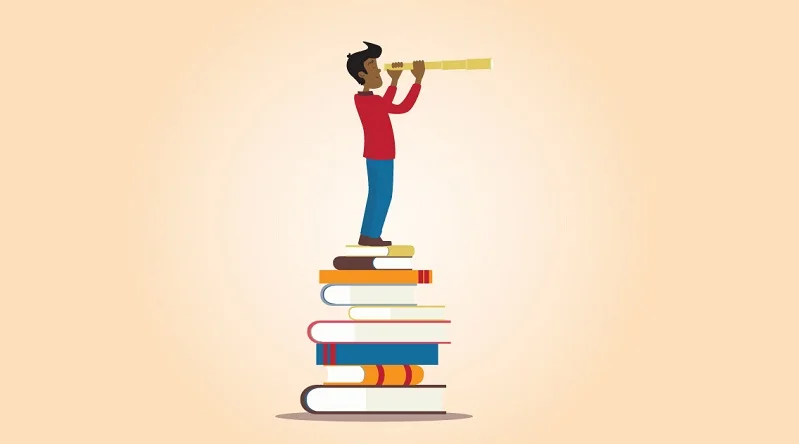
Traditional education has been the backbone of learning for centuries. 🏫 Whether it’s sitting in a classroom, listening to a teacher, or following a structured curriculum, traditional education plays a key role in shaping individuals and societies. Even in today’s world of digital transformation and online learning, traditional education remains relevant and continues to provide value.
Traditional Education.
Traditional education refers to the conventional method of teaching and learning that takes place in physical classrooms. Students attend schools, colleges, or universities, where they learn from teachers through lectures, discussions, and practical activities.
Key characteristics include:
✅ A structured curriculum 📚
✅ Face-to-face interaction 👨🏫
✅ Discipline and routine ⏰
✅ Exams and grading systems 📝
Features of Traditional Education.
- Physical Classrooms – Students gather in a school or university setting.
- Teacher-Centered Learning – Teachers deliver lectures, while students take notes and ask questions.
- Fixed Timetables – Classes follow strict schedules.
- Discipline & Uniforms – Many institutions enforce dress codes and discipline rules.
- Standardized Exams – Students’ knowledge is tested through exams and assignments.
Advantages of Traditional Education.
✨ Face-to-Face Interaction – Direct communication builds stronger teacher-student relationships.
✨ Structured Learning – A clear syllabus and timetable help students stay focused.
✨ Social Skills Development – Students learn teamwork, discipline, and communication by interacting with peers.
✨ Practical Exposure – Labs, field trips, and physical activities add real-world learning.
Challenges of Traditional Education.
❌ Limited Flexibility – Fixed timetables may not suit everyone.
❌ High Costs – Tuition fees, transportation, and books can be expensive.
❌ One-Size-Fits-All – The same teaching style may not meet every student’s needs.
❌ Less Technological Integration – Compared to modern e-learning, tech use is often limited.
Traditional vs Modern Education.
| Aspect | Traditional Education 🏫 | Modern / Online Education 💻 |
|---|---|---|
| Learning Method | Teacher-centered | Student-centered |
| Flexibility | Fixed schedules | Learn anytime, anywhere |
| Interaction | Face-to-face | Virtual |
| Cost | Higher | Often lower |
| Accessibility | Limited by location | Global reach |
Traditional Education Still Matters in 2025.
Even with the rise of online education, traditional learning continues to:
✔️ Build discipline and time management skills
✔️ Encourage in-person social interactions
✔️ Offer practical and hands-on experience
✔️ Provide cultural and community values





Post Comment